
09.源码级别Pod详解(五): Pod Termination
Table of contents
前言
我们在前面几篇博客中介绍了Pod生命周期各类组件与相关字段,比如Phase与Condition、Probe与lifecycle等等,这些组件的作用都是描述或调控Pod生命周期。这篇文章会向大家介绍Pod终止相关内容。
Pod Termination
Pod是对Container的封装,Container里面运行的是服务,而服务的本质是进程 ,所以在Pod结束的时候,即不需要这些进程的时候,我们需要优雅的停止进程 ,比如允许服务进行一些连接的释放,文件的清理等等,而不是粗鲁的发送KILL信号。
Pod Termination的目的是能够主动请求终止进程,并且知道进程何时被终止,同时也要保证终止操作最终会完成。当你发送一个删除Pod的请求时,集群会记录优雅退出时间,在时间结束的时候kubelet会尝试优雅杀掉Pod。
具体实现
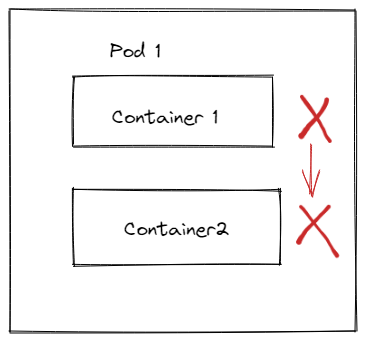
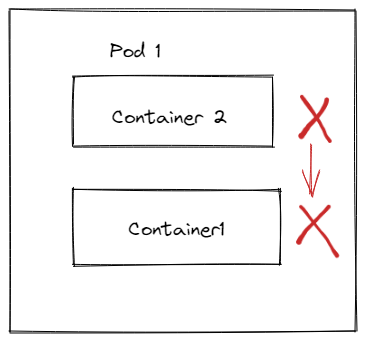
通常,带有优雅退出时间的pod将要停止时(不设置则默认为30S),kubelet会向容器运行时组件发起带有超时时间的SIGTERM信号(正常终止信号,编号为15,允许进程执行清理工作,保存状态,关闭文件等等),请求去停止Pod中的那些容器,本质上是发送给容器中的主进程。这些请求会让容器异步停止,不能保证具体的停止顺序。
如下图,容器停止的顺序可以是先1后2,也可以是先2后1。
如果想要保证关闭的顺序,那么可以考虑使用preStop回调来实现或者环境变量 来实现。
注意,这里容器会查看镜像有没有定义STOPSIGNAL值(Dockerfile中指定容器停止时发送的信号的指令),如果定义了,那么就会发送STOPSIGNAL而非SIGTERM。
一旦优雅退出时间过期而容器依旧没有停止,那么会向剩余的所有进程都发送KILL信号(编号9,强制性终止进程,不给与进程执行清理的机会。),并将Pod从APIServer中删掉。
之前有读者私聊我,为什么这里的containers字段下面的name和ports字段下面的containerPort前面都需要加上”-“,这里解答一下,yaml有一套自己的语法,因为containers和ports都是数组(一个Pod可以有多个容器,一个容器可以监听多个端口),每一个数组的列表项前面都需要加上”-“来标识。
实战
依旧是之前简单的nginx-pod,但是指明字段terminationGracePeriodSeconds为210,那么在收到退出信号之后的210S后,容器才会真正退出。
[code]
apiVersion: v1
kind: Pod
metadata:
name: nginx-pod-demo
spec:
containers:
- name: nginx-container
image: nginx:latest
ports:
- containerPort: 80
terminationGracePeriodSeconds: 210
[/code]
我们首先通过kubectl describe pod nginx-pod-demo查看当前Pod状态
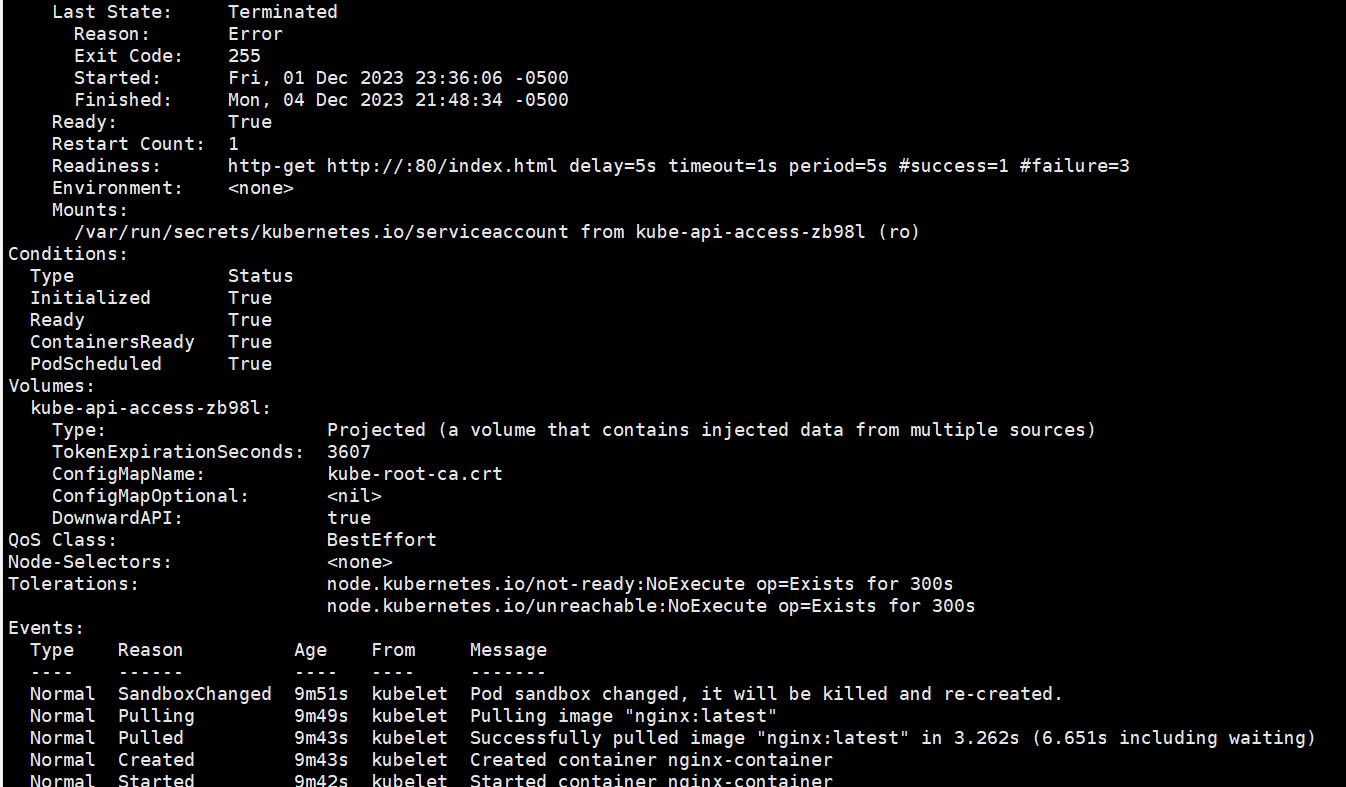


能看到设置了terminationGracePeriodSeconds的Pod状态会变为Terminating,正在删除中,直到时间超时才会完全删掉。
源码
[code] type PodSpec struct { … // Optional duration in seconds the pod needs to terminate gracefully. May be decreased in delete request. // Value must be non-negative integer. The value zero indicates delete immediately. // If this value is nil, the default grace period will be used instead. // The grace period is the duration in seconds after the processes running in the pod are sent // a termination signal and the time when the processes are forcibly halted with a kill signal. // Set this value longer than the expected cleanup time for your process. // +optional TerminationGracePeriodSeconds *int64 … } [/code]
不难看出TerminationGracePeriodSeconds的定义就是从向Pod发起终止信号到进程被强制停止的时间段, 这个值应该大于进程预期清理的时间 + 退出前处理的时间(preStop)。
让我们来看看这个值是怎么被使用的,笔者的源码版本是v1.20,源码文件pkg/kubelet/pod_workers.go
[code]
type PodStatusFunc func(pod *v1.Pod, podStatus *kubecontainer.PodStatus) v1.PodStatus
// KillPodOptions are options when performing a pod update whose update type is kill.
type KillPodOptions struct {
	// PodStatusFunc is the function to invoke to set pod status in response to a kill request.
	PodStatusFunc PodStatusFunc
	// PodTerminationGracePeriodSecondsOverride is optional override to use if a pod is being killed as part of kill operation.
	PodTerminationGracePeriodSecondsOverride *int64
}
[/code]
首先优雅退出时间和PodStatusFunc(设置PodStatus的函数)组成了一个KillPodOptions字段,这个字段用来表示Kill操作的选项。
[code]
type syncPodOptions struct {
// the mirror pod for the pod to sync, if it is a static pod
mirrorPod *v1.Pod
// pod to sync
pod *v1.Pod
// the type of update (create, update, sync)
updateType kubetypes.SyncPodType
// the current status
podStatus *kubecontainer.PodStatus
// if update type is kill, use the specified options to kill the pod.
killPodOptions *KillPodOptions
}
[/code]
syncPodOptions就是一次kubelet同步Pod的操作,mirrorPod只有在static Pod的时候才会用到(在ApiServer侧的静态Pod),通常我们不需要在意这个字段。
真正同步一次Pod操作只需要pod本身、pod当前状态,上述我们提到的killPodOptions和SyncPodType同步的方式,而SyncPodType就是一个iota常量,定义着是同步期望状态、更新、创建还是删除Pod。KillPodOptions只有在删除的时候才会有效。
[code]
const (
// SyncPodSync is when the pod is synced to ensure desired state
SyncPodSync SyncPodType = iota
// SyncPodUpdate is when the pod is updated from source
SyncPodUpdate
// SyncPodCreate is when the pod is created from source
SyncPodCreate
// SyncPodKill is when the pod is killed based on a trigger internal to the kubelet for eviction.
// If a SyncPodKill request is made to pod workers, the request is never dropped, and will always be processed.
SyncPodKill
)
[/code]
然后syncPodOptions这个结构体会被下面这个方法所使用,用来管理kubelet的pod池生命周期。
[code]
func (p *podWorkers) managePodLoop(podUpdates <-chan UpdatePodOptions) {
var lastSyncTime time.Time
for update := range podUpdates {
err := func() error {
podUID := update.Pod.UID
// This is a blocking call that would return only if the cache
// has an entry for the pod that is newer than minRuntimeCache
// Time. This ensures the worker doesn’t start syncing until
// after the cache is at least newer than the finished time of
// the previous sync.
status, err := p.podCache.GetNewerThan(podUID, lastSyncTime)
if err != nil {
// This is the legacy event thrown by manage pod loop
// all other events are now dispatched from syncPodFn
p.recorder.Eventf(update.Pod, v1.EventTypeWarning, events.FailedSync, “error determining status: %v”, err)
return err
}
err = p.syncPodFn(syncPodOptions{
mirrorPod: update.MirrorPod,
pod: update.Pod,
podStatus: status,
killPodOptions: update.KillPodOptions,
updateType: update.UpdateType,
})
lastSyncTime = time.Now()
return err
}()
// notify the call-back function if the operation succeeded or not
if update.OnCompleteFunc != nil {
update.OnCompleteFunc(err)
}
if err != nil {
// IMPORTANT: we do not log errors here, the syncPodFn is responsible for logging errors
klog.Errorf(“Error syncing pod %s (%q), skipping: %v”, update.Pod.UID, format.Pod(update.Pod), err)
}
p.wrapUp(update.Pod.UID, err)
}
}
[/code]
- 这个方法的接收者是
kubelet,参数为一个更新Pod选项的通道。 - 遍历这个通道,获取正在处理的
Pod唯一标识符,通过这个标识符从PodCache中获取比lastSyncTime新的状态信息。 - 进行一次
pod状态的同步,参数就是我们上面提到的syncPodOptions - 后面就是一些收尾和打日志的工作
再看kubelet是如何更新Pod的
[code]
func (p *podWorkers) UpdatePod(options *UpdatePodOptions) {
pod := options.Pod
uid := pod.UID
var podUpdates chan UpdatePodOptions
var exists bool
	p.podLock.Lock()
	defer p.podLock.Unlock()
	if podUpdates, exists = p.podUpdates[uid]; !exists {
		// We need to have a buffer here, because checkForUpdates() method that
		// puts an update into channel is called from the same goroutine where
		// the channel is consumed. However, it is guaranteed that in such case
		// the channel is empty, so buffer of size 1 is enough.
		podUpdates = make(chan UpdatePodOptions, 1)
		p.podUpdates[uid] = podUpdates

		// Creating a new pod worker either means this is a new pod, or that the
		// kubelet just restarted. In either case the kubelet is willing to believe
		// the status of the pod for the first pod worker sync. See corresponding
		// comment in syncPod.
		go func() {
			defer runtime.HandleCrash()
			p.managePodLoop(podUpdates)
		}()
	}
	if !p.isWorking[pod.UID] {
		p.isWorking[pod.UID] = true
		podUpdates <- *options
	} else {
		// if a request to kill a pod is pending, we do not let anything overwrite that request.
		update, found := p.lastUndeliveredWorkUpdate[pod.UID]
		if !found || update.UpdateType != kubetypes.SyncPodKill {
			p.lastUndeliveredWorkUpdate[pod.UID] = *options
		}
	}
}
[/code]
能看到除了加锁和一些其他收尾事件(比如发信号,修改状态等等),UpdatePod并没有多余的额外逻辑处理,最本质的还是进行managePodLoop管理pod的生命周期。
结语
这篇博客主要介绍了Pod Termination相关概念,带领大家由浅入深了解Pod Termination的实现和具体使用以及kubelet操控Pod相关代码。
《每天十分钟,轻松入门K8S》的第八篇09.源码级别Pod详解(五): Pod readiness与Container Probe 到这里就结束了,之后的几讲都会和Pod相关,深入源码级别探索K8S核心概念Pod相关内容,感兴趣的朋友欢迎点赞、评论、收藏、订阅,您的支持就是我最大的动力。
推荐阅读 :
https://juejin.cn/post/7307542269674651682
https://juejin.cn/post/7296303730772656162